The Irish Aesthete Recommends VI

Dromore 2

The entrance front to Dromore Castle, County Kerry. Located above the Kenmare river Dromore is what might be described as a ‘pocket castle’, a middle-sized country house dressed up with turrets and battlements to provide a phantom historicism; although there was an earlier house close by, the present building only dates from c.1831-38 when built to the designs of Sir Thomas Deane for the Rev. Denis Mahony. Dromore Castle remained with his descendants until 1994 when it was sold by Jane Waller.
She tells her story and the history of the house in Jane O’Hea O’Keefe’s recently-published Voices from the Great Houses: Cork and Kerry which chronicles a number of properties in these two counties, some of which survive (and still in the ownership of the original families) while others are lost. The book is based on recordings made by O’Keefe and her husband which were then transcribed and edited; thus these really are authentic voices of people who came from what in Ireland is traditionally known as the ‘Big House.’
Inevitably, given that so much has been lost, often needlessly, a certain poignancy hangs over the work, an impression of a world which has now gone. However, it is worth pointing out that not all the people featured are of English origin. Elizabeth, Lady O’Connell, for example, was born MacCarthy-O’Leary, her bloodline representing both these Irish families united around 1780 when Denis MacCarthy married Helen, only child of The O’Leary. It was the next generation who in 1805 built Coomlogane, County Cork on the site of the O’Leary ancestral home, but by the middle of the last century the house was in ruins and the property sold by Lady O’Connell’s aunt. Likewise Kilcoleman Abbey, County Kerry, built on land owned by the Godfrey family since the mid-17th century, eventually succumbed to dry rot: ‘I remember the stairs were falling down,’ recalls one relative who visited in the late 1950s, ‘but there was a gallery which was still fairly solid, running round in front of the bedrooms.’ Abandoned not long afterwards, Kilcoleman was eventually demolished by the local authority in the 1970s.
Below is an another image of Dromore Castle which happily still stands. Mark Bence-Jones damned the entrance front for possessing ‘a certain grimness’ but judged this, the garden front, as ‘more graceful and friendly.’

Dromore 1

Voices from the Great Houses: Cork and Kerry is published by Mercier Press. The original oral histories from which the book derives can be found at http://www.irishlifeandlore.com

A Spouse’s Souvenir

Turner

Dating from c.1816 this watercolour is deemed to be J.M.W Turner’s only Irish view and shows Clontarf Castle, County Dublin. The picture was painted for one of the artist’s closest friends, Walter Fawkes of Farnley Hall, Yorkshire who owned a large collection of Turner’s work. The watercolour is of particular interest because Turner never visited Ireland and therefore must have been working from an image of Clontarf Castle produced by someone else; the connection is that Fawkes’ second wife Maria Sophia Vernon – who he married precisely around the time this watercolour was produced – had grown up at Clontarf Castle, so presumably it was intended to act as a souvenir of her childhood home. Twenty years later the building, originally constructed in the 12th century by the Knights Templar and acquired by the Vernons in the second half of the 17th century, was very extensively remodelled by William Vitruvius Morrison at the request of Maria Sophia’s nephew, John Edward Venables Vernon. Thus the picture also serves as a guide to what the house looked like in its earlier incarnation. Today Clontarf is a suburb of Dublin and the castle, greatly enlarged, an hotel. It is possible to gain a sense of what the building and surrounding lands were like a century ago by reading ‘A Georgian Boyhood’ the third part of Cyril Connolly’s wonderful Enemies of Promise published in 1938. His mother was a Vernon and he therefore spent holidays as a child in the house. Estimated to fetch €20,000-€40,000, the watercolour is due to be auctioned next Monday by Adam’s as part of its country house sale at Slane Castle, County Meath (see: http://www.adams.ie).
Update: the Turner watercolour of Clontarf Castle sold for €65,000.

About Last Knight

IMG_7137

The late Desmond FitzGerald has been mentioned here before more than once (Knight and Day, October 1st 2012 and Shanid A Boo, July 8th last). I am now happy to advise that my new book The Last Knight which celebrates Desmond’s many achievements has been published and is available from the Irish Georgian Society (see: http://www.igs.ie). Thanks to the generosity of a number of benefactors, all proceeds from the sale of this work go to benefit the IGS.

The Irish Aesthete Recommends V

????????????????????????????????????????????????????????????????????????????????????????????????????????????????

A photograph of Dromore Castle, County Limerick built in the late 1860s for William Pery, third Earl of Limerick to the designs of Edward William Godwin (also responsible for James Whistler’s ‘aesthetic’ house on Tite Street, London). On a hill overlooking a lake and with views across the Shannon to County Clare, the castle looked ravishing but suffered from chronic damp (seemingly paint never stayed long on the walls) and was not occupied by the Perys for more than a few decades. The family sold Dromore in 1939 and since the middle of the last century it has grown steadily more ruinous: the roof was removed in the 1950s in order to avoid paying tax on the building. Today it can still be seen, a striking sight some twelve miles west of Limerick city.
Dating from around 1920 this photograph was taken by Franz S. Haselbeck, the son of German emigrants who had settled in Limerick in the early 1900s. Haselbeck was a professional photographer who lived and worked in the area until his death in 1973 and now a book of his images has been published by The Collins Press. With an introduction by his granddaughter who has been responsible for preserving the material, Franz S. Haselbeck’s Ireland includes pictures spanning the entire course of his long career, and shows scenes of a world which has since disappeared, many of them taken in the years before Independence. What makes the work especially fascinating are the photographs of buildings which subsequently fell into serious disrepair, not just Dromore but also Mount Shannon House in Castleconnell, immediately east of Limerick city. Acquired and greatly enlarged in the late 18th century by John FitzGibbon, first Earl of Clare (notoriously one of the most hated men of his generation), the house and its contents were sold by the family in the 1880s when they had run through all their money. After changing hands on a couple of occasions, it was burnt out in 1920 during the Troubles, so the picture below, which shows the rear of the building with its fine conservatory intact, must have been taken before that date. There are many other such photographs in the book, not all of them featuring country houses but all meriting close study.

??????????????????????????????????????????????????????????????????????????????????????????????????????????????????????????????????????????????????????????????????????????????????????????????????

Miss Austen Requests the Pleasure…

????????????

2013 being the bicentenary of the publication of Pride and Prejudice, inevitably particular attention is being paid to the novel’s author. Earlier this year, for example, a Jane Austen Society of Ireland was formed; one hopes its members will grant at least some notice to the writer’s Irish near-contemporary Maria Edgeworth who was much the better-known author during their respective lifetimes and whose books ought to be more widely appreciated in this country. A cheer too for Sydney Owenson, Lady Morgan whose 1806 novel The Wild Irish Girl is a remarkable piece of work.
Be that as it may, various events have been taking place in Ireland in recent months to celebrate Jane Austen and her links here, not least through the three daughters of her brother Edward whose lives are recalled in Sophia Hillan’s 2011 book May, Lou and Cass: Jane Austen’s Nieces in Ireland. On Sunday October 6th Dr Hillan will be speaking about the three sisters at Salterbridge, County Waterford (seen above). Sitting high above the Blackwater, this is a most interesting house, originally built c.1750 but enlarged by the addition of a new front almost a century later.
Salterbridge is the location for a day of Jane-ite festivities, since after Dr Hillan’s talk there is to be a splendid Regency lunch (guests are promised jelly shapes galore) followed by an afternoon performance by Vanessa Hyde of Empire Line Productions of ‘Ladies of Jane: Scenes and Musings from the Pen of Jane Austen.’ Those attending are encouraged to wear appropriate costume and rather charmingly, as in Miss Austen’s day, changing rooms will be available for those who wish to complete their toilette on arrival. All proceeds from the occasion go to a restoration fund for Lismore Hall not far away.
Anyone interested in attending the day should telephone +353-058-54952/087-2030763 or email susiewingfield@hotmail.com

The Irish Aesthete Recommends IV

Melo L-C

Anyone who has read Rose Macaulay’s wonderful 1956 novel The Towers of Trebizond will be familiar with its opening lines: ‘”Take my camel, dear,” said my aunt Dot, as she climbed down from this animal on her return from High Mass. The camel, a white Arabian Dhalur (single hump) from the famous herd of the Ruola tribe, had been a parting present, its saddle-bags stuffed with low-carat gold and flashy orient gems, from a rich desert tycoon who owned a Levantine hotel near Palmyra.’
Those words always remind me of Melosina Lenox-Conyngham who, like the narrator’s aunt Dot was an inveterate and fearless traveller until her death almost two years ago. Melo, seen above wheeling her bicycle through the gates of Lavistown Cottage, County Kilkenny where she lived, wrote and broadcast many articles about her journeys, her low voice (Melo might have been short for Melodious) recounting all sorts of adventures with terrific gusto and humour. In one of these pieces, she described riding on a camel to Timbuktu, the silence of the desert reigning absolute until ‘it was broken by a familiar jingle, and Mahomet extracted from his long blue robes a mobile telephone that he poked into the folds of his turban.’
Back in Ireland, Melo entertained frequently – I remember an abundance of cobwebs but also very good home-made biscuits each topped with a blanched almond – and told still more tales of where she had been and what she had done. Between trips she served as indefatigable secretary of the Butler Society and did much to encourage interest in the history of this part of Ireland and its architectural heritage.
One greatly misses Melo but now a terrific selection of her writings A Life in Postcards has been published by the Lilliput Press (www.lilliputpress.ie). The book perfectly captures the author’s wry tone and is definitely to be recommended if you would like to know more about this very special woman and her distinctive outlook on life.

The Irish Aesthete Recommends III

IMG_5947

The drawing room at Rossana, County Wicklow as painted by Maria Spilsbury Taylor (1777-1823) an English artist who moved to Ireland after marrying an Anglican clergyman and thereafter became friendly with the Tighes of Rossana, known for their religious fervour. Rossana was originally built around 1742 by William Tighe but extended later in the century when wings were added. One of these contained the drawing room with the elaborate panelling seen above and often attributed to Grinling Gibbons (which would suggest it came from another, earlier, building). In the last century the wings were demolished and the panelling taken to the United States.
Rossana was a house well-known to poet Mary Tighe (née Blachford) who often stayed there, although she would die in March 1810 at Woodstock, County Kilkenny (see Of Wondrous Beauty Did the Vision Seem, May 13th). Mary Tighe is the subject of a new biography by Miranda O’Connell which brings this once-famous author of the six-canto allegorical poem Psyche back to public attention after a long period of unjustified neglect. Acknowledged as much for her beauty as her literary skills, Tighe’s early death transformed her into a figurehead of the Romantic Movement. Miranda O’Connell’s book not only considers the poems but also places her subject in the context of Ireland before and after the Act of Union, a fascinating period in the country’s history. Much to be recommended, it also contains many fascinating pictures and photographs.
Mary Tighe by Miranda O’Connell is published by Somerville Press (see http://www.somervillepress.com).

The Irish Aesthete Recommends II

image

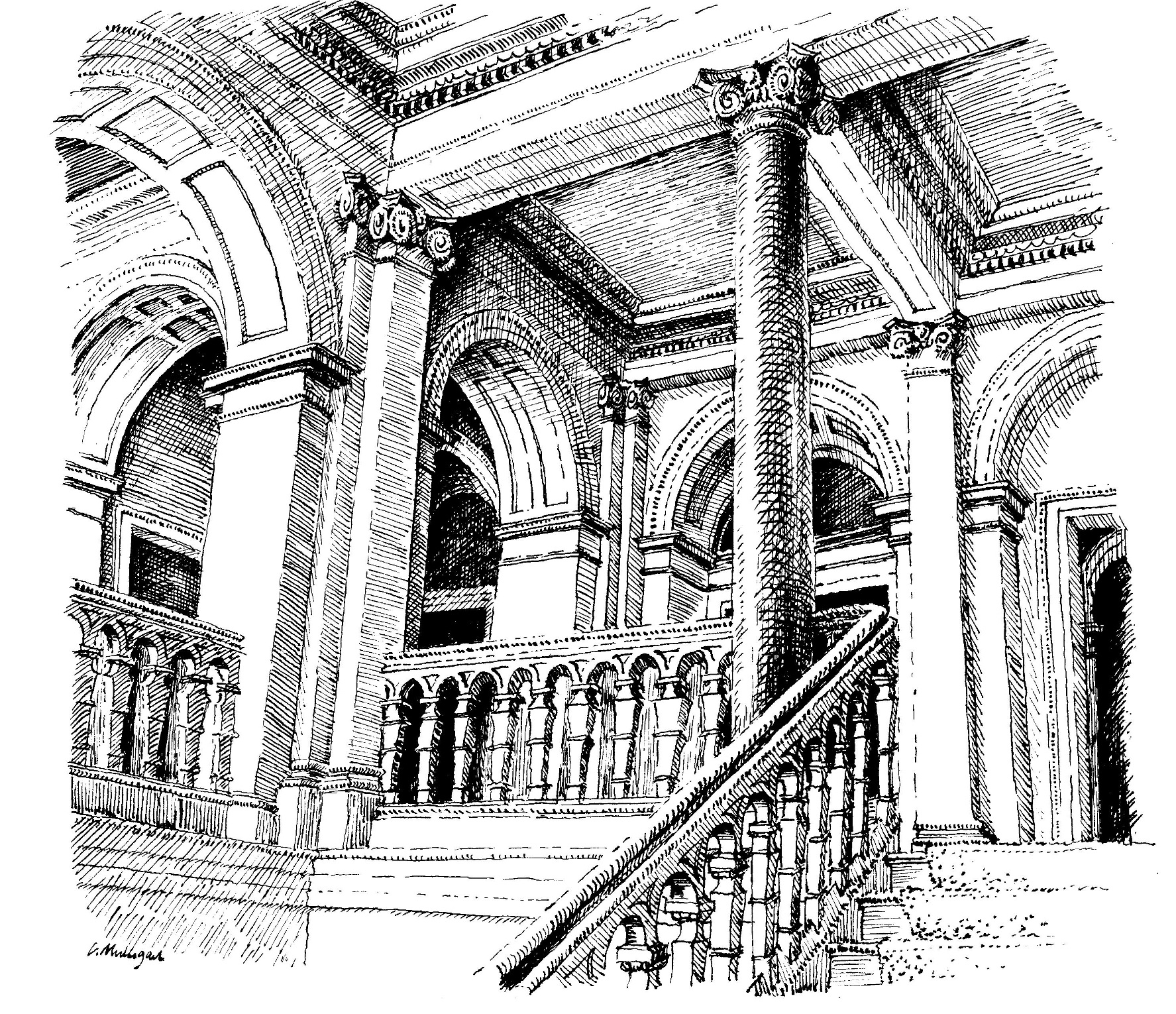
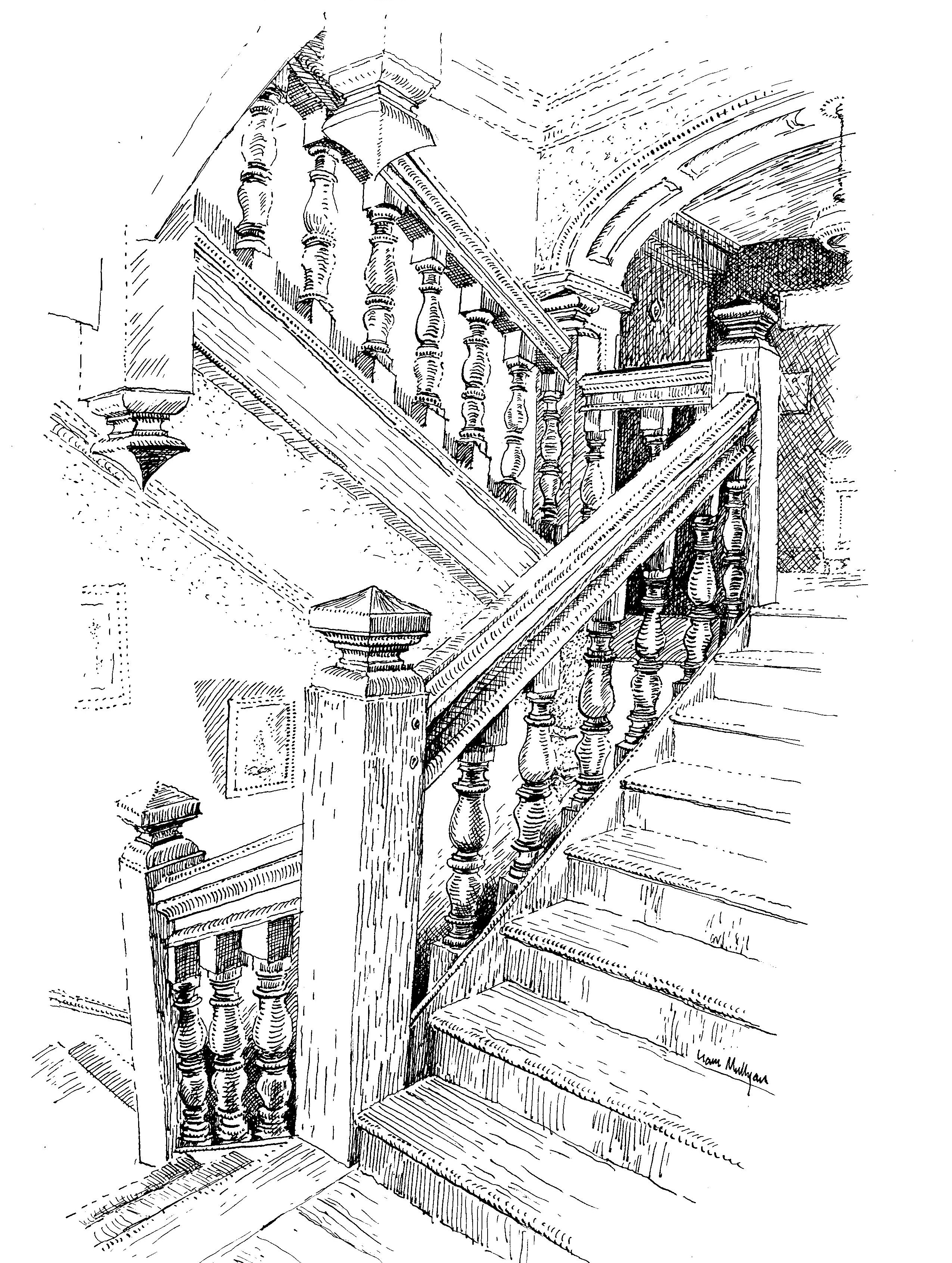
The Buildings of England architectural series begun by Sir Nikolaus Pevsner in 1945 is justifiably celebrated, but the Irish equivalent is less well-known most likely because this remains a work-in-progress. The first volume, devoted to North-West Ulster and written by Professor Alistair Rowan, appeared in 1979 and since then a handful more have been published. The latest to come out covers South Ulster (Counties Armagh, Cavan and Monaghan) and has been compiled by Kevin Mulligan. Like its predecessors, the book makes for fascinating reading, not least thanks to the author’s engaging prose (I like his description of Gosford Castle as ‘a great brawny pile’). One of the most important aspects of these books is that they are not unduly reverential about either the past or the present: there is a frankness of language that one rarely finds in architectural discussion. And the work comes with ample illustration, both colour and black and white. Included here are two illustrations by the author’s brother Liam Mulligan, that above showing the main staircase at Castle Leslie, County Monaghan (designed by W.H. Lynn and dating from the 1870s) and that below of the 17th century oak staircase at Richhill Castle, County Armagh. Text and pictures alike make this an essential addition to the library – together with the earlier volumes, of course.
The Buildings of Ireland: South Ulster by Kevin V Mulligan is published by Yale University Press at £35.

image

The Irish Aesthete Recommends I

Enniskerry

Located by the Glencullen river, Enniskerry, County Wicklow is one of the most charming villages in Ireland and essentially owes both its existence and appearance to the Wingfield family, Viscounts Powerscourt who for over 350 years lived on the neighbouring Powerscourt estate. Its relative proximity to Dublin has always given Enniskerry a particular appeal to residents of the city, yet despite recent developments the place has managed to maintain its distinctive character and charm.
One of the reasons this may be the case is an abundance of ardent local historians; they have charted the village’s narrative, and thereby ensured memory cannot be obliterated by change. And none more enthusiastic than Michael Seery who in 2011 published Enniskerry: A History. Now he has produced a second volume, Enniskerry: Archives, Notes and Stories from the Village which, in addition to featuring all the above contains many photographs and images of village and surrounding area over the centuries. It is a model of local history diligence and brio and commitment, and deserves to be widely read – and emulated.
To buy a copy of the book or to learn more about Enniskerry, see http://www.enniskerryhistory.org

Good Golly Miss Molly

image

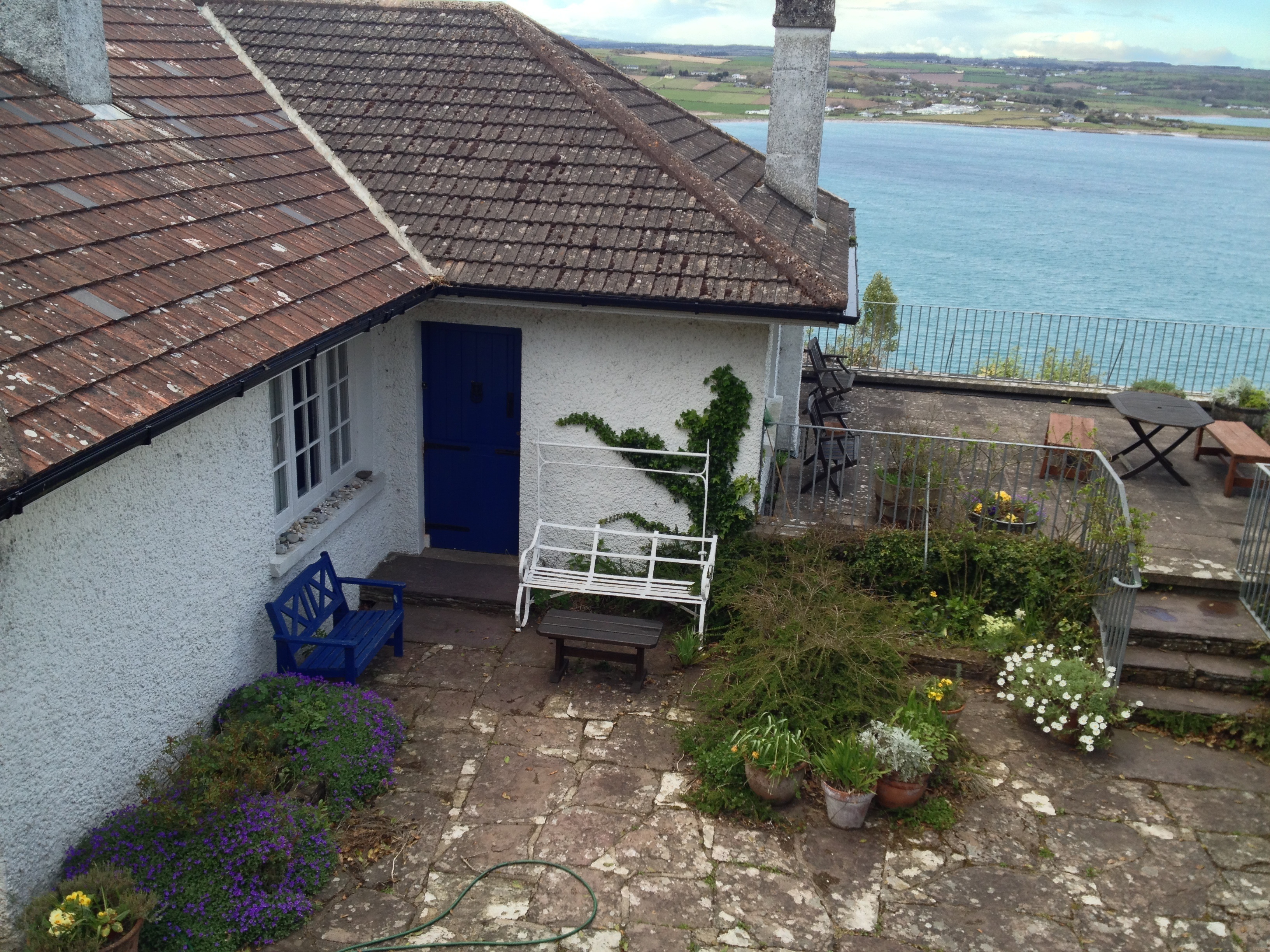
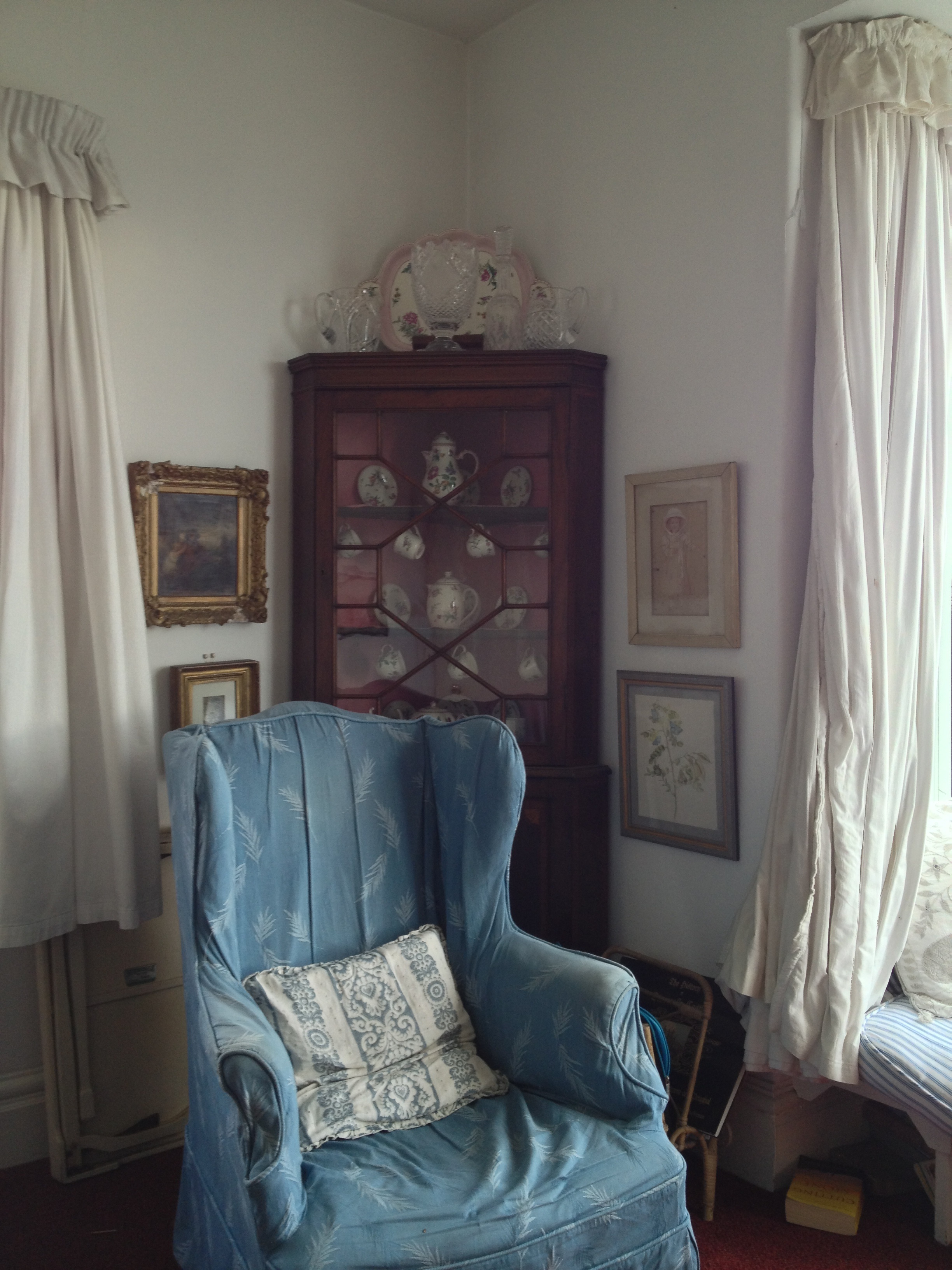
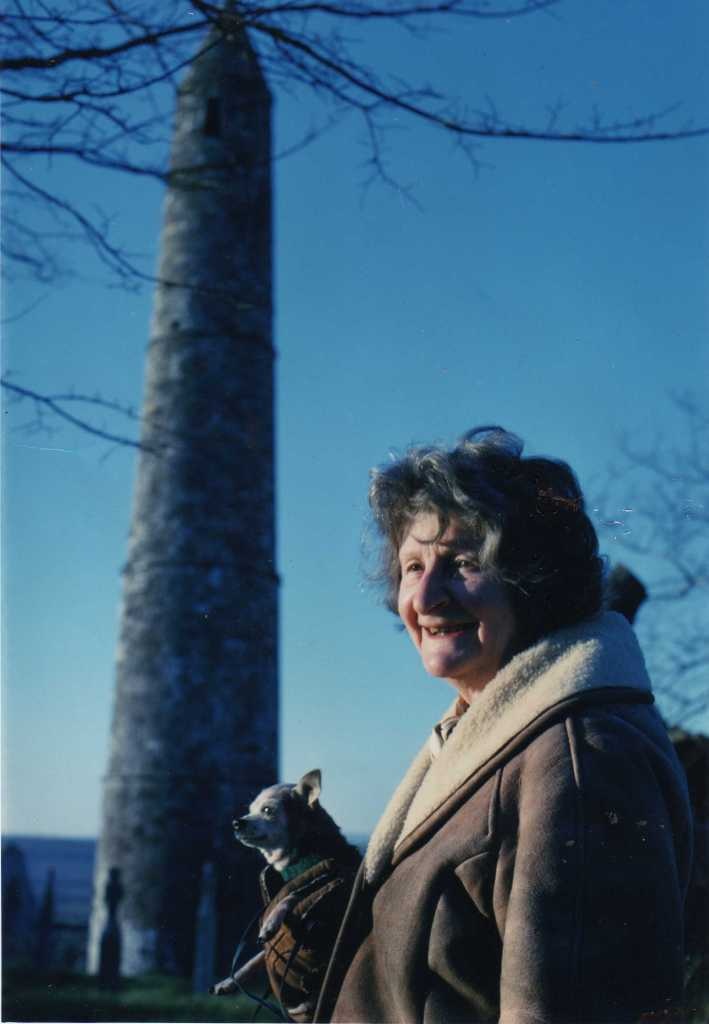
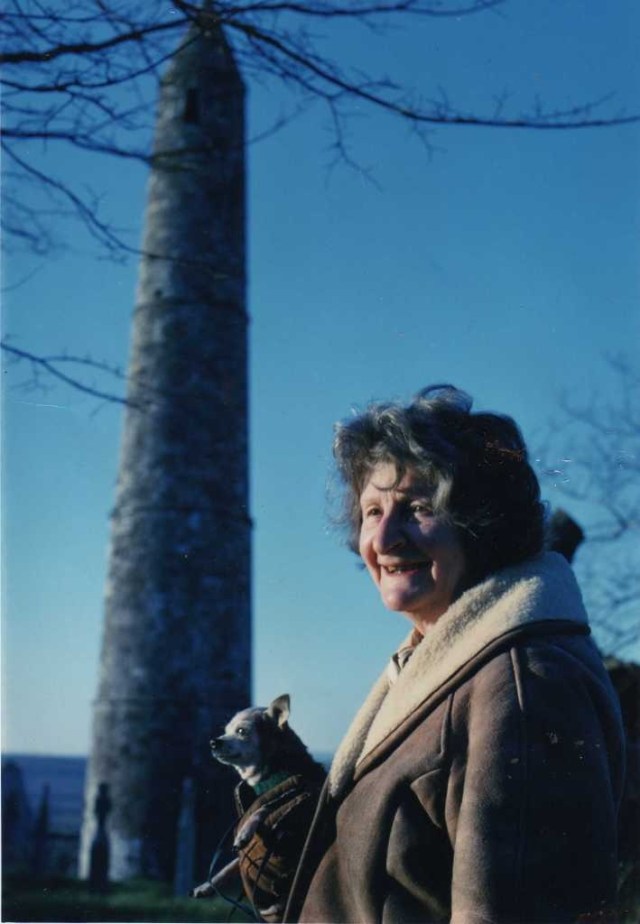
‘For the last fifty years of my life I have lived in a cottage – a cottage hanging above Ardmore bay, above the village and the Catholic church, its east window lighted over the sea on winter evenings. Beyond my cottage one of the finest round towers in Ireland reaches up to the sky above the ruined and beautiful church and monastery at its foot.’ Part of novelist Molly Keane’s charm is her ability to exaggerate to just the right extent. In this instance, the length of time she lived at Dysart in Ardmore, County Waterford has been amplified to half a century. In fact, she remained in the house for forty-four years, from 1952 until her death at the age of 91 in 1996, and as a result Dysart is replete with memories of its former chatelaine.

image

image

Anyone interested in Ireland’s historic houses and their near-universal decay during the course of the last century will be familiar with the work of Molly Keane. In the words of my clever friend Polly Devlin, she ‘observed and preserved…the sounding of the tocsins and the minutiae of the last days of the Irish Raj,’ a surveillance which had begun back in 1800 with the publication of Maria Edgeworth’s Castle Rackrent. Molly Keane was successor to Edgeworth, just as she was to Somerville and Ross, and like these earlier writers she combined keen scrutiny with black humour, fully aware she was chronicling the decline and fall of her own people but refusing to be cast down by the prospect. As her older daughter Sally has commented, ‘Her long life almost spanned the century. She has to be the last of the Anglo-Irish writers, because she bore witness to the dying away of her world.’

image

image

I never had the good fortune to meet Molly Keane but know well both Sally and her younger sister Virginia who now has charge of their mother’s house in Ardmore. This is a charming coastal town which has been a favourite holiday resort in the area since the 19th century. As already mentioned, it became the last stop in the peregrinations of Molly Keane, born Mary Nesta Skrine in County Kildare in 1904. When she was aged six her family moved to Ballyrankin House, County Wexford; in July 1921 the building and its contents were burnt out by members of the IRA and its owners forced to walk to the nearest town in their nightwear. Despite this Molly’s father Walter declared, ‘I would rather be shot in Ireland than exiled to England’ and remained in the country until his death nine years later. By that time, his daughter was well established as a writer.

image

image

Molly’s first novel, The Knight of Cheerful Countenance, came out in 1926; she was later rather disparaging about it but I find the book admirable and already full of the themes that recur in her later work, not least love of the Irish countryside and of hunting. It was because of her involvement with the latter that she published the majority of her books under the pseudonym of M.J. Farrell, the name borrowed from a pub she regularly passed on her horse. ‘For a woman to read a book, let alone write one was viewed with alarm,’ she later explained. As for her own books, ‘no-one connected them with me. I didn’t want to be recognised as a writer. I only wanted to be good in the hunting field and to be popular at hunt balls. I was so starved of fun when I was young, and I loved fun so much.’ Her books – and the plays she wrote with John Perry – provided her with that fun, and with much-needed income both before her marriage and during her long widowhood. In 1938 she married Bobby Keane but he died only eight years later after what was supposed to be a routine operation in London.

image

image

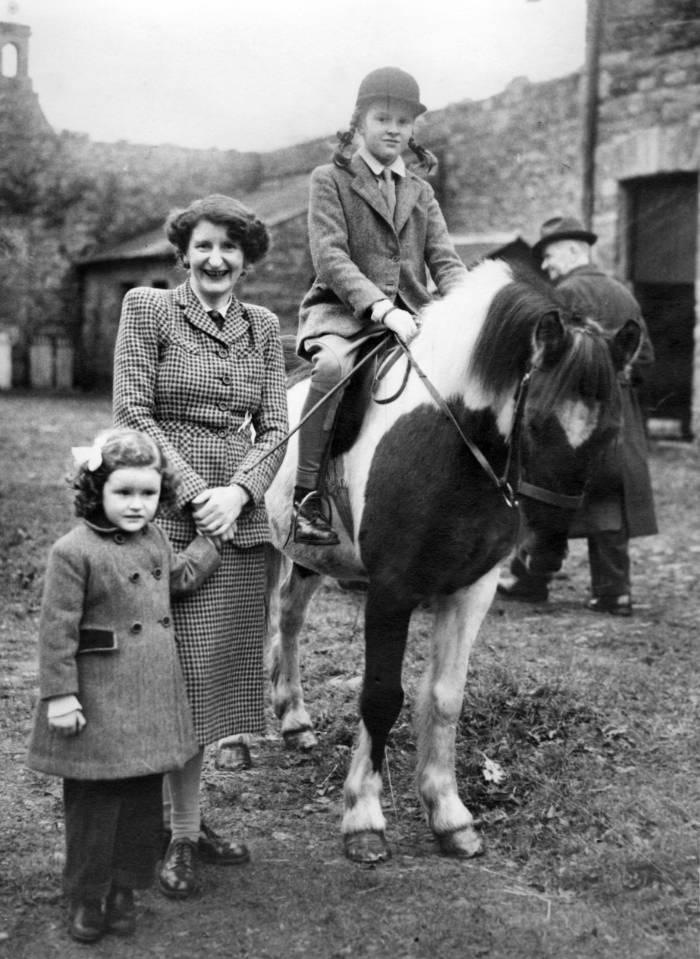
During her marriage and for the first years of widowhood, Molly Keane lived at Belleville outside Cappoquin, a house dating from around 1830. The drawing room, Sally remembers, ‘had a 1930s flavour. It was sort of glamorous, with plumped cushions and a cocktail shaker in the corner. It was decorated in peaceful shades of pale grey, dark blue and rust colours. It had tall windows, crossed with thin glazing bars, facing to the south.’ Above are a couple of photographs from that period, the first showing her working in the garden with Belleville behind, the second of Molly with her daughters Sally and Virginia as small children. However for various reasons, not least monetary, by 1952 she was obliged to move and hence settled into a much smaller property at Ardmore. This was the same year Treasure Hunt her last novel under the name M.J. Farrell appeared; it would be almost three decades before a new book written by her was published. In 1961 Dazzling Prospect, her final play co-authored with John Perry, received such poor reviews from London critics that she gave up writing altogether.
Instead she concentrated on her children, and on her house in Ardmore. Sally has written that gardening grounded her mother, ‘It was very important to her. She loved plants and digging. It assuaged the depressive moods of her artist’s temperament. Its imagery pervades her work and is part of a wider, intense response to the natural world of the Irish landscape…’ The garden Molly Keane created at Ardmore is still there, now tended by Virginia, and so too is the kitchen where, Sally believes, she spent some of her happiest times. ‘She delighted in domesticity and was brilliant at it. For a long period, she stopped writing, and I think she replaced it by cooking. She cooked with the precision and care she spent on words, balancing sweet and sour, and creating subtle unique flavours.’

image

image

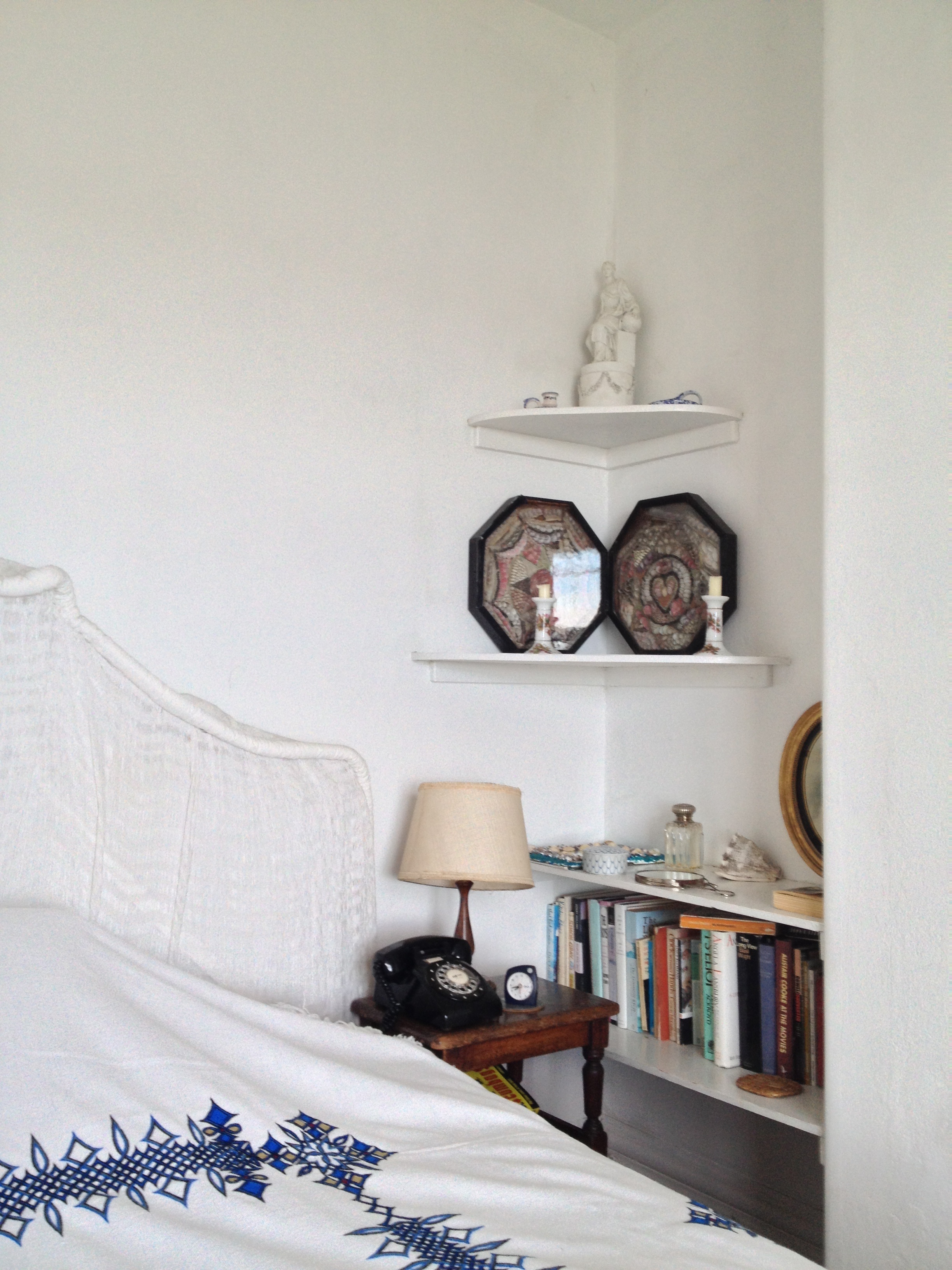
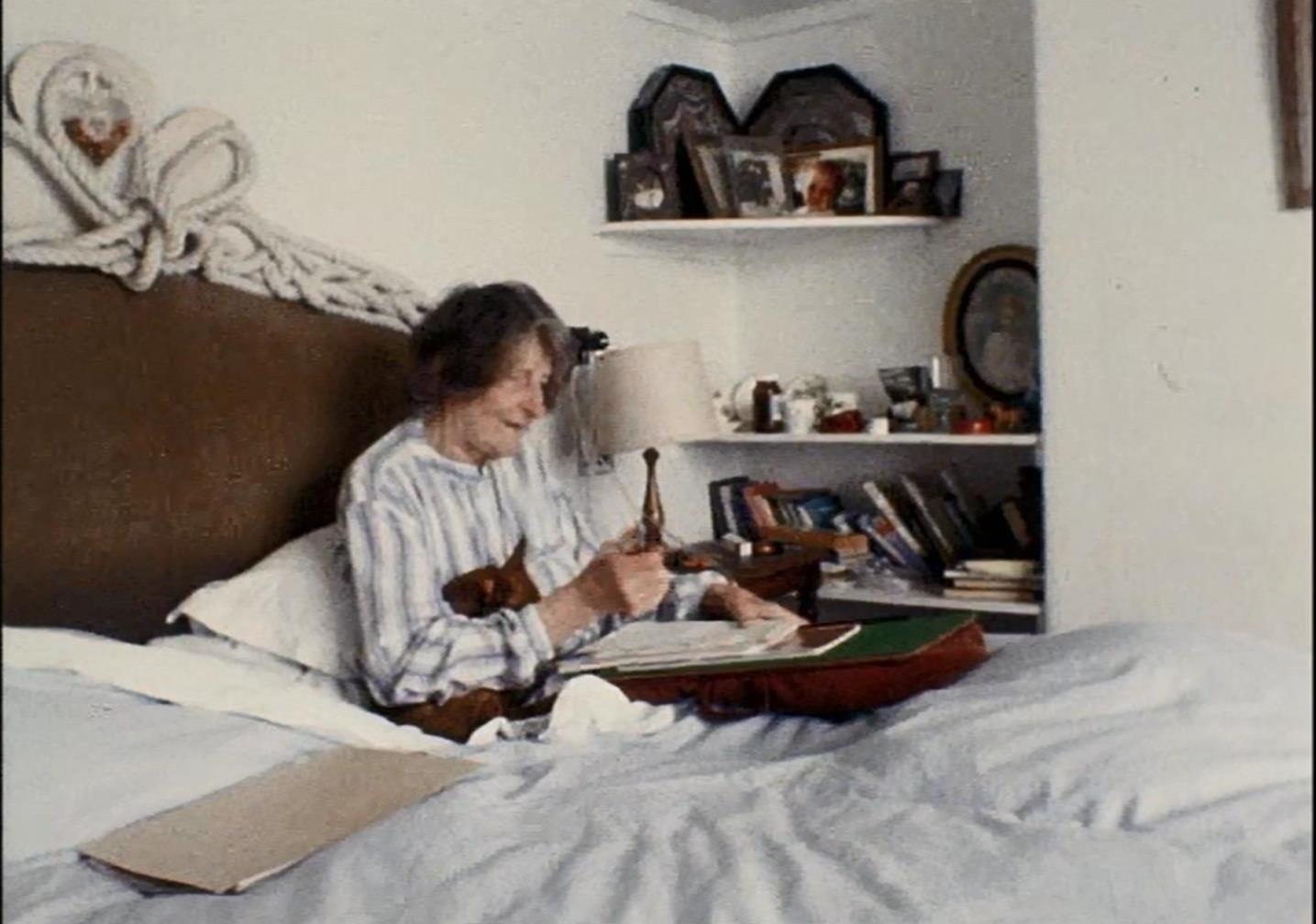
The story of Molly Keane’s rediscovery is well-known. In 1981 at the age of 77 and under her own name she published Good Behaviour which was short-listed for the Booker Prize and led to all her earlier books being reprinted and their author receiving the credit she was due. Molly Keane went on to write two further, equally acclaimed novels, Time after Time and Loving and Giving. She always liked to write in her own bed, seen above; the lower of the two photographs (a film still courtesy of RoseAnn and Catherine Foley) shows her working away in self-same bed with her dog Hero (she called him ‘My Hero) tucked under an arm.
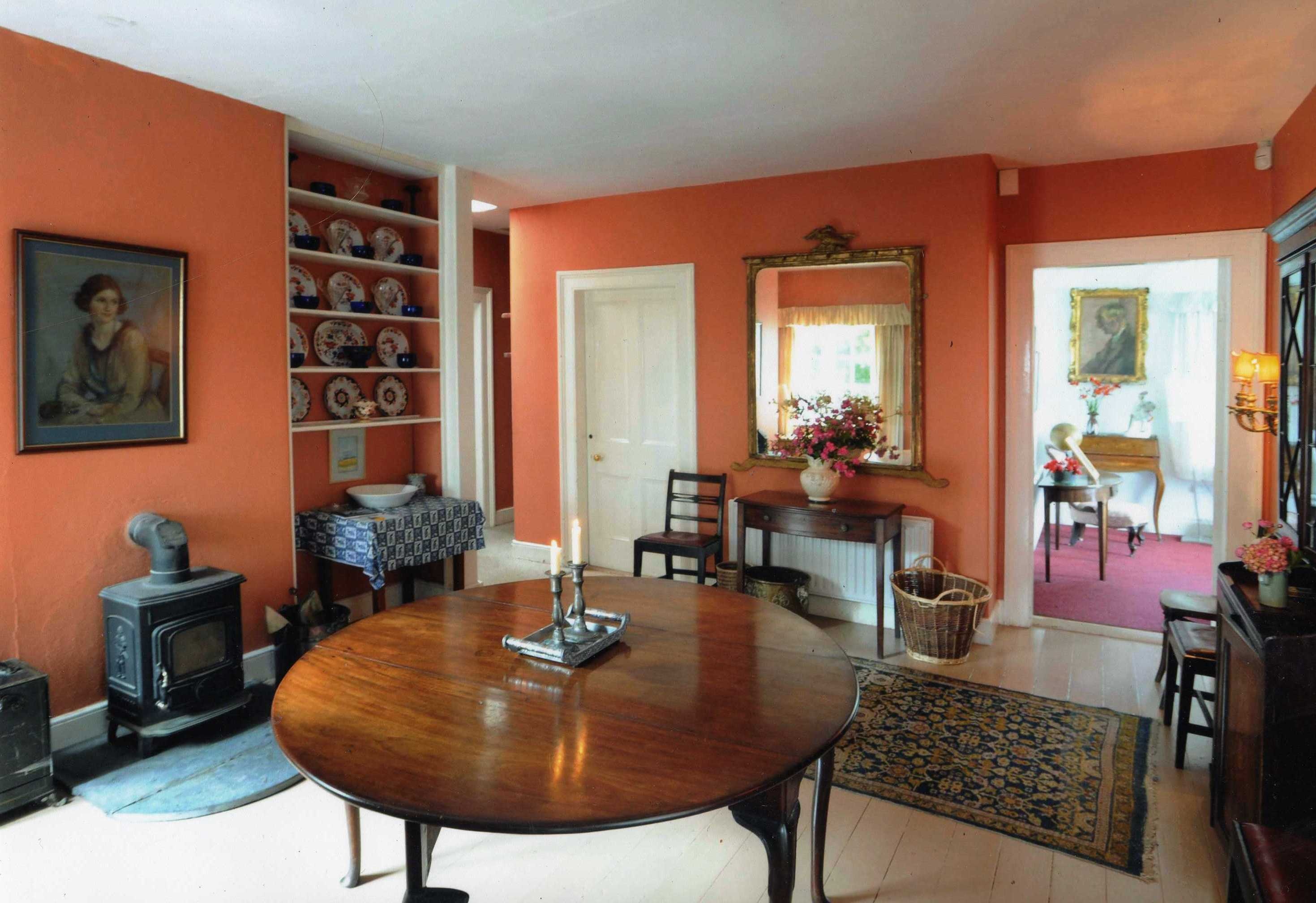
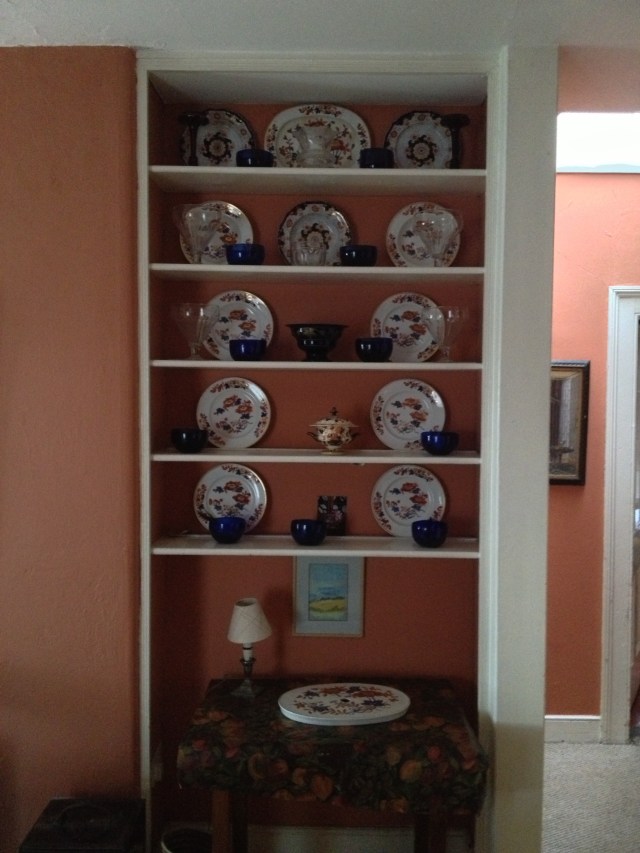
The special charm of Dysart is that it remains imbued with Molly Keane’s spirit; aside from her novels nowhere else will you be better able to experience the character of this clever, witty, plucky woman. Virginia is very much her mother’s daughter and forever finding ways to encourage greater use of the house, as a writers’ retreat, a centre for creative writing and a venue for one-off events, such as those presented by her own husband, film historian Kevin Brownlow. You can find out more about all these occasions on http://www.mollykeanewritersretreats.com. I will close with some lines written by the Cappoquin-born poet Thomas McCarthy who knew Molly Keane well and is a terrific supporter of Virginia’s endeavours: ‘When you lift the gate and walk down the steps into Molly Keane’s house in Ardmore you know you are coming down into a creative lair, into an eagle’s nest, into a writer’s heaven. I descend into a pillow of voices, an atmosphere that is thick with the scent of white roses, with the memories of some of the loveliest days of my youth. There is old Brigadier FitzGerald before me, happy to have another lost novel of Molly’s in his hand, impatient for Molly’s signature, impatient to get down to a right good gossip about the residents of the Blackwater valley; there is Hurd Hatfield, always hovering, ready to be charming or morose (depending upon whether a visitor remembers who he is), there is Hero, yapping, sniffling in Molly’s arms. But when you enter this house it is not just the place of personal memory: it is the house as a writer’s working space, the house as workshop where the work gets done. Here is a place to come to in County Waterford if you want to attend to the writer’s task.’
image